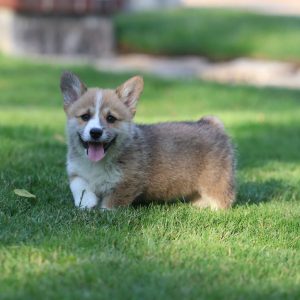
How to Introduce a New Dog to an Older Corgi
How to Introduce a New Dog to an Older Corgi
Learn how to introduce a new dog to an older corgi with step-by-step tips for calm introductions, safe interactions, and a smooth transition at home.
Bringing a new dog into a household with an older Corgi can be exciting, but the introduction deserves careful planning. Pembroke Welsh Corgis are intelligent, alert herding dogs that often develop strong preferences about their routines, favorite resting places, and interactions with other pets. When a new puppy or adult dog arrives, those established habits can make the transition more complicated than families expect.
Learning how to introduce a new dog to an older corgi involves more than allowing two dogs to meet and hoping they become friends. Age, temperament, mobility, energy differences, and previous social experiences all influence how successfully dogs adjust to sharing a home.
Some older Corgis welcome companionship quickly, while others need additional time and personal space. Neither response automatically predicts whether the dogs can eventually live comfortably together.
This guide will help you decide how to prepare your home, organize a safe first meeting, manage the first several weeks, and recognize when an introduction needs to slow down. The goal is a peaceful household where both dogs feel secure, respected, and comfortable.
Quick Answer: How Do I Introduce a New Dog to an Older Corgi?
The safest way to introduce a new dog to an older corgi is to begin with a controlled meeting in a quiet, neutral location rather than immediately bringing the newcomer into your older dog’s living space. Use separate handlers, maintain comfortable distances, and reward calm behavior without forcing direct interaction. Once both dogs appear relaxed, introduce them to the home gradually while keeping meals, resting areas, toys, and high-value resources separate. Expect the adjustment process to take days or weeks, sometimes longer, depending on each dog’s personality and needs.
1. Evaluate Your Older Corgi’s Temperament and Health First
Before bringing home another dog, consider how your current Corgi responds to unfamiliar animals.
Some older Corgis enjoy interacting with other dogs during walks or family visits. Others prefer familiar companions and become uncomfortable when energetic dogs approach too closely.
Neither personality is necessarily problematic. What matters is whether your older dog can tolerate sharing space without experiencing ongoing stress.
Start by evaluating several factors:
- Previous experiences: Has your Corgi lived with other dogs or only interacted with them occasionally?
- Resource preferences: Does your dog guard food, toys, resting places, or attention?
- Energy level: Can your Corgi comfortably interact with an active puppy?
- Physical comfort: Does your dog experience stiffness, mobility limitations, or sensitivity to touch?
- Stress signals: Does your Corgi retreat, freeze, growl, or become tense around unfamiliar dogs?
Health deserves particular attention. Corgis have a long-backed, short-legged structure, and some develop orthopedic or spinal conditions that make rough play uncomfortable.
An older dog experiencing pain may have less patience for a puppy that jumps, climbs, or repeatedly initiates wrestling.
Schedule a veterinary examination before introducing a new household companion, especially if your Corgi has recently become irritable or less active.
The American Kennel Club’s Pembroke Welsh Corgi breed profile provides useful background on the breed’s working instincts and personality.
Understanding your older dog’s physical and emotional needs is the foundation for a successful introduction.
2. Prepare Your Home Before the New Dog Arrives
One of the most important parts of introducing a second dog happens before the dogs meet.
Many families underestimate how disruptive a new arrival can feel to an established pet. Your older Corgi already understands where to sleep, when meals happen, and which spaces belong to their daily routine.
Suddenly sharing everything can create unnecessary tension.
Prepare your home with separate resources, including:
- Individual food and water stations
- Separate beds or resting spaces
- Baby gates or exercise pens
- Individual crates when appropriate
- Separate chew toys
- Designated quiet areas
For the first several days, avoid leaving valuable toys, food puzzles, or chews in shared spaces. Even dogs that generally enjoy companionship may become protective of high-value items.
A baby gate can be especially helpful because it allows dogs to observe one another without constant physical access.
For older Corgis, consider accessibility as well. Provide comfortable resting areas away from stairs, slippery floors, and high-traffic locations.
Maintain your established dog’s normal schedule whenever possible.
If your Corgi typically takes a morning walk at 7 a.m., eats breakfast afterward, and rests during the afternoon, try to preserve that routine.
The new dog should gradually become part of the household rather than immediately changing everything your older Corgi recognizes.
3. Introduce a New Dog to an Older Corgi in Neutral Territory
The first meeting should be controlled, brief, and free from unnecessary pressure.
Rather than placing the new dog directly inside your older Corgi’s home, arrange an introduction in a quiet outdoor location where neither dog regularly spends time.
Choose an area without heavy dog traffic, loose animals, or crowded distractions. Both dogs should be healthy and appropriately vaccinated for the setting.
Have one adult handle each dog using comfortable harnesses or collars and standard leashes.
Begin with a parallel walk.
Position the dogs far enough apart that both can observe one another without pulling, barking, freezing, or becoming overly excited.
As they settle, gradually decrease the distance.
Watch for relaxed body language, such as:
- Loose body movement
- Soft facial expressions
- Comfortable sniffing
- Willingness to disengage
- Normal walking behavior
- Ability to respond to their handlers
If both dogs remain comfortable, allow a brief, voluntary greeting with loose leashes.
After a few seconds, gently encourage them to separate and continue walking.
Avoid forcing face-to-face contact or holding either dog in place.
A successful first meeting does not require immediate play. Two dogs calmly walking near one another can be a much stronger starting point than an excited wrestling session.
If either dog becomes tense, increase the distance and try again later.
For dogs with a history of aggression or serious reactivity, arrange the introduction with a qualified behavior professional rather than attempting a standard greeting.
4. Manage the First 24–72 Hours With Clear Boundaries
After a successful outdoor meeting, the next challenge is helping both dogs share an indoor environment.
The first few days should focus on calm coexistence rather than constant interaction.
Bring the dogs into the home separately and use gates or other barriers to establish safe spaces.
Allow your older Corgi to explore familiar areas without the newcomer following closely behind.
Supervised interactions can begin in short sessions when both dogs appear relaxed.
For example, your first-day routine might look like this:
| Time | Activity |
|---|---|
| Morning | Separate potty breaks and breakfast |
| Midmorning | 5–10 minutes of calm, supervised interaction |
| Afternoon | Individual rest and enrichment |
| Late afternoon | Short parallel walk, if both dogs are comfortable |
| Evening | Separate feeding and quiet settling |
These times are examples, not requirements. Some dogs need much shorter sessions or more separation.
Avoid feeding the dogs together or expecting them to share a bed.
Do not leave them unsupervised together simply because their first few interactions went well.
One important distinction is that tolerance is not the same as friendship.
Your older Corgi may initially prefer to watch the new dog from a distance. Allowing that choice helps prevent unnecessary conflict.
The Humane World for Animals resource library offers additional guidance on dog behavior, introductions, and managing multi-pet households.
5. Balance Exercise, Play, and Rest Between Both Dogs
Age and energy differences are among the biggest challenges in multi-dog households.
A young Corgi puppy may want to chase, wrestle, and investigate constantly. An older Corgi may enjoy brief interactions but need considerably more uninterrupted rest.
Compared to some companion breeds, Corgis can be particularly responsive to movement because of their herding background.
This means a younger dog may repeatedly chase an older Corgi or nip at their heels during play.
Owners should intervene before that behavior becomes overwhelming.
For a healthy adult Corgi, approximately 45–60 minutes of moderate daily activity, divided into manageable sessions, may be a reasonable starting point. Senior dogs may require shorter, gentler walks depending on their health and mobility.
Puppies need age-appropriate exercise rather than being expected to match an adult dog’s endurance.
Provide individual activities such as:
- Short sniffing walks
- Food puzzles
- Basic obedience training
- Scent-search games
- Gentle indoor play
- Supervised exploration
Schedule separate rest periods throughout the day.
Grooming also deserves attention. Corgis have dense double coats and generally benefit from brushing two or three times weekly, with additional brushing during heavy shedding periods.
Individual grooming sessions allow you to check each dog’s skin, paws, and overall comfort without competition for attention.
The goal is to meet each dog’s needs individually rather than expecting both dogs to follow identical routines.
6. Recognize Stress Signals and Prevent Resource Guarding
Not every disagreement between dogs means they are incompatible.
However, repeated tension should never be ignored.
Older Corgis may communicate discomfort by turning away, moving to another room, freezing, growling, or showing stiffness when the newcomer approaches.
These behaviors provide information about the dog’s comfort level.
Common warning signs include:
- Stiff posture
- Prolonged staring
- Freezing around food or toys
- Blocking access to resting areas
- Repeated attempts to escape interaction
- Growling when the other dog approaches
- Escalating chasing or snapping
Never punish an older dog simply for growling. Growling can be an important warning that the dog needs space. Punishing the warning may suppress communication without resolving the underlying discomfort.
Instead, calmly separate the dogs and identify what caused the tension.
If a conflict occurs near a food bowl, feed the dogs in separate rooms.
If your older Corgi becomes uncomfortable when the puppy approaches their bed, establish a protected resting area.
If play becomes too intense, interrupt the interaction before either dog becomes overwhelmed.
The ASPCA’s dog behavior resources provide helpful information about behavior challenges, including guarding and anxiety.
If aggression escalates, injuries occur, or either dog seems persistently fearful, consult your veterinarian and a qualified behavior professional.
7. Build a Long-Term Routine That Respects Both Dogs
A successful introduction is not completed after the first friendly greeting.
The next several weeks determine whether both dogs can develop predictable, comfortable routines.
Many families underestimate how important individual attention remains after adding a second dog.
Continue spending one-on-one time with your older Corgi.
This might include a quiet morning walk, a short training session, or simply relaxing together without the younger dog interrupting.
The newcomer also needs individual training. Puppies should learn basic cues, appropriate play manners, and how to settle independently rather than relying on the older dog to teach every boundary.
At Gold Star Corgis, we encourage families to think carefully about temperament, household routines, and the needs of their existing pets before welcoming another puppy.
Families often ask us whether an older Corgi will automatically enjoy having a younger companion. The answer depends on the individual dog. Some appreciate the additional interaction, while others are happiest when their personal space is consistently respected.
If you’re exploring our Available Puppies, consider how a puppy’s energy level and temperament might complement your current dog’s personality.
Remember that peaceful coexistence is a successful outcome.
The dogs do not need to sleep together, share toys, or play constantly to have a healthy relationship.
Conclusion: A Calm Introduction Builds a Better Foundation
Learning how to introduce a new dog to an older corgi requires patience, preparation, and realistic expectations.
Begin by evaluating your older dog’s temperament and health. Prepare separate resources, organize a neutral first meeting, and gradually introduce shared spaces while maintaining clear boundaries.
Avoid rushing interactions simply because you want the dogs to become friends.
For some households, the transition takes several days. For others, it requires weeks or months of consistent management.
What matters most is that both dogs feel safe and have opportunities to rest, explore, and interact without pressure.
With thoughtful planning, you can help your older Corgi adjust to a new companion while protecting the routines and relationships that already make your household comfortable.
Frequently Asked Questions
How long does it take to introduce a new dog to an older Corgi?
Some dogs become comfortable within several days, while others need several weeks or longer. Age, temperament, health, and previous experiences with other dogs influence the adjustment period. Focus on relaxed behavior rather than expecting a specific timeline.
Should I introduce a puppy or an adult dog to my older Corgi?
Either can work, depending on your current dog’s preferences. Puppies may be easier for some adults to tolerate initially, but their high energy and limited impulse control can overwhelm older dogs. A calm adult dog with compatible social habits may sometimes be a better match.
What if my older Corgi growls at the new dog?
Growling often communicates discomfort or a request for space. Calmly separate the dogs and identify what triggered the response rather than punishing the growl. Repeated or escalating growling warrants professional guidance.
Can two Corgis live together successfully?
Yes, many Corgis can live comfortably with another Corgi when their personalities and needs are compatible. However, sharing a breed does not guarantee compatibility. Individual temperament, training, resource management, and supervision remain important.
Should I let my older Corgi correct the new puppy?
Do not rely on your older dog to discipline the puppy. Although dogs naturally communicate boundaries, repeated corrections can create stress or escalate into conflict. Owners should intervene early when a puppy becomes intrusive or ignores attempts to disengage.
When can I leave my older Corgi and new dog alone together?
Wait until both dogs have demonstrated consistently relaxed behavior across many situations, including movement around resting areas and shared household spaces. Even then, separate them whenever supervision is unavailable if there is any concern about conflict, guarding, or rough play. Some households benefit from maintaining separate spaces indefinitely.