
Corgi Temperament: What Families Should Really Expect
Corgi Temperament: What Families Should Really Expect
Explore corgi temperament, including energy, intelligence, family behavior, training needs, herding instincts, and what owners should expect before choosing one.
Understanding the Personality Behind the Corgi
Corgis may be compact dogs, but their personalities were shaped by a history of demanding work. Understanding corgi temperament means looking beyond their short legs and expressive appearance to the characteristics that made them capable cattle-herding dogs: intelligence, confidence, alertness, persistence, and an ability to make decisions while working.
For potential owners, those qualities can be appealing—but they also create responsibilities. A Corgi that receives appropriate exercise, training, mental stimulation, and household structure can become an engaged member of family life. Without those outlets, the same intelligence and energy may appear as excessive barking, attention-seeking, chasing, or attempts to control movement around the house.
This guide will help you decide whether the typical Corgi personality matches your household. We’ll examine family interactions, children, training, exercise, barking, herding behavior, and the daily commitment involved. Individual dogs always vary, but understanding the tendencies associated with the breed gives prospective owners more realistic expectations before bringing home a puppy.
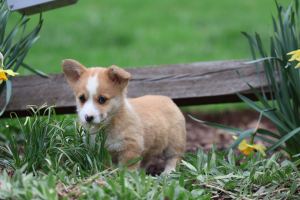
Quick Answer: What is a Corgi’s temperament like?
Typical corgi temperament combines intelligence, confidence, alertness, affection toward family, and a surprisingly strong work ethic for such a small dog. Corgis generally enjoy participating in household activities and learning new skills, but they need consistent boundaries and meaningful physical and mental activity. Their herding background can also produce behaviors such as barking, chasing, and heel-nipping. They are often best suited to families who want an interactive dog rather than a passive lap dog.
Corgi Temperament Reflects a Working-Dog History
One of the biggest misconceptions about Corgis is that their size makes them similar to many toy or companion breeds. Pembroke Welsh Corgis were developed as working herding dogs, and that history continues to influence how they interact with their surroundings.
According to the American Kennel Club’s Pembroke Welsh Corgi breed information, the breed has a history as a cattle herder. Moving livestock required a dog that could respond quickly, remain aware of movement, and work confidently around animals much larger than itself.
Inside a modern home, those tendencies can look like:
- Closely following household activity
- Alerting owners when someone approaches the house
- Chasing running children
- Attempting to organize other pets
- Becoming intensely interested in moving objects
- Learning household routines remarkably quickly
Compared to other small breeds, Corgis often have a stronger desire for structured activity. They may happily relax after their needs have been met, but expecting them to spend most of the day quietly entertaining themselves can create frustration.
Their working heritage isn’t something owners need to eliminate. Instead, training should give those instincts appropriate outlets.
How Do Corgis Behave Around Children and Families?
Corgis frequently enjoy being involved in active family households, but successful relationships with children require boundaries on both sides.
A Corgi may become excited when children run through the yard, wrestle, or play loudly. Because movement can trigger herding instincts, some puppies may chase children or nip toward ankles. This does not automatically indicate aggression, but owners shouldn’t simply dismiss it as harmless breed behavior.
Instead, redirect the puppy toward appropriate activities and teach behaviors such as “come,” “place,” “leave it,” and calm leash walking. Children should also learn not to tease a puppy, grab food or toys, climb on the dog, or disturb it while sleeping.
Many families underestimate how much active supervision young dogs and young children require. Having an adult nearby is different from an adult actively watching their interactions.
Unlike more independent terriers, many Corgis are highly interested in what their people are doing. That can make training and family activities rewarding, but it can also produce a dog that constantly follows family members if independence isn’t encouraged.
Teaching a puppy to settle on a bed, spend short periods independently, and relax while family activity happens nearby can create healthier habits as the dog matures.
Training a Smart Dog Requires Consistency
Intelligence does not automatically mean effortless training.
Corgis often learn new behaviors quickly, including behaviors owners never intended to teach. If barking at the kitchen counter results in attention or dropping a toy repeatedly causes someone to throw it, an observant Corgi can quickly learn how to influence household routines.
Positive reinforcement training gives that intelligence a productive direction. The American Veterinary Society of Animal Behavior supports reward-based training methods rather than techniques relying on fear, pain, or intimidation.
For a puppy, consider several short sessions throughout the day rather than one lengthy lesson. Five-minute sessions can cover skills such as:
- Recall
- Sit and down
- Leave it
- Drop it
- Place or mat training
- Loose-leash walking
- Waiting at doors
Training should continue beyond puppyhood. Adolescence can bring boundary testing and temporary decreases in responsiveness, even when a puppy seemed exceptionally obedient several months earlier.
In our experience raising Corgis, families often get the best results when training becomes part of everyday life rather than something reserved for formal classes. Asking for a calm wait before meals or practicing recall during backyard play gives a young dog frequent opportunities to use its brain.
Exercise and Mental Stimulation Are Both Essential
Despite their short legs, Corgis should not automatically be considered low-energy dogs. Their working background means many adults need meaningful daily exercise alongside mental enrichment.
For a healthy adult, approximately 45–60 minutes of moderate daily activity divided into two or more sessions can be a useful starting point, although individual requirements vary. Puppies need shorter, age-appropriate activity because their bodies are still developing.
Activities might include:
- Two moderate walks each day
- Sniffing and exploration walks
- Fetch on appropriate surfaces
- Short training games
- Food puzzles
- Scent games
- Beginner dog sports once physically mature
Owners should discuss appropriate exercise with their veterinarian, particularly while a puppy is growing.
Mental exercise matters just as much. A 10-minute scent-search game can challenge a Corgi in a way that simply walking the same neighborhood route does not.
Many families underestimate the difference between tiring a dog and fulfilling one. Repetitive, high-intensity exercise can create an increasingly athletic dog without teaching calmness. A more balanced routine alternates exercise, problem-solving, training, and intentional rest.
Corgis also need practice doing nothing. Teaching a puppy to settle quietly while the family eats dinner or watches television is an important life skill and helps prevent constant demands for entertainment.
Barking, Herding and Other Behaviors Owners Should Expect
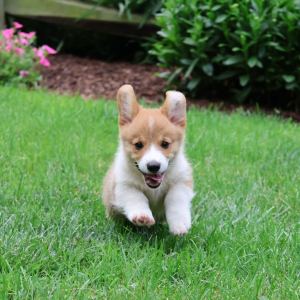
Corgis were expected to pay attention to their surroundings, so vocal behavior isn’t unusual. Some will bark when someone approaches the home, when they hear an unfamiliar sound, or when excitement builds.
Owners who require an extremely quiet dog should consider this characteristic carefully.
Barking can often be managed through training, but the goal should be realistic. Rather than expecting complete silence, teach the dog when alerting is appropriate and when it is time to disengage.
Herding behavior deserves similar nuance. Puppies may chase feet, circle moving people, or become excited by bicycles and running children. Redirecting those impulses early is easier than addressing an established habit later.
Owners can provide constructive alternatives through scent work, obedience, fetch, appropriate herding activities, and other dog sports.
Early socialization also matters. Socialization does not mean allowing your puppy to greet every person and dog. It means helping the puppy learn to remain confident and composed around different environments, surfaces, sounds, people, and animals.
At Gold Star Corgis, we prioritize early experiences that introduce puppies to everyday handling and household life. Owners should continue that work after bringing a puppy home so confidence develops alongside appropriate manners.
Grooming, Health and Daily Life With a Corgi
Temperament may determine whether you enjoy living with a breed, but practical care requirements matter too.
Corgis have a dense double coat and shed throughout the year. Owners should generally plan to brush two or three times per week, increasing frequency during heavier seasonal shedding. Nails often require attention every three to four weeks, while ears and skin should be checked regularly.
A Corgi’s structure also makes weight management particularly important. Keeping the dog lean reduces unnecessary strain on its joints and back. Families should discuss appropriate body condition, diet, and exercise with their veterinarian rather than judging healthy weight by appearance alone.
The Orthopedic Foundation for Animals also provides information about health testing that prospective puppy owners can use when researching responsible breeding practices.
Time commitment should factor into your decision as well. A Corgi household needs room in its schedule for daily exercise, short training sessions, grooming, veterinary care, and interaction.
For families researching our Available Puppies, considering these everyday responsibilities before choosing a puppy is just as important as deciding which personality or appearance you prefer.
Is a Corgi Temperament Right for Your Lifestyle?
Corgis tend to fit best with people who appreciate an involved, intelligent dog and are prepared to provide structure.
The breed may suit your household if you want a dog that can participate in walks, training, games, and family activities. Owners who find dog training enjoyable rather than burdensome are also more likely to appreciate how quickly a Corgi learns.
You may want to reconsider the breed if you’re looking for a dog that requires very little exercise or training, you strongly dislike shedding, or barking would create serious problems in your living situation.
Another consideration is independence. Corgis often enjoy being near their people. Owners who work from home should still deliberately teach their puppy to spend short periods resting independently so constant proximity doesn’t become an expectation.
There is also considerable variation between individuals. Breed characteristics help predict tendencies, but they do not guarantee the exact personality of a particular puppy.
Families often ask us what they should prioritize when choosing a Corgi. At Gold Star Corgis, we encourage people to think beyond appearance and consider whether the breed’s energy, intelligence, herding instincts, grooming needs, and level of engagement match how they genuinely live.
Conclusion: Understanding Corgi Temperament Before Choosing a Puppy
Understanding corgi temperament means recognizing that the traits people often love about these dogs—intelligence, awareness, confidence, and involvement with their families—also create specific responsibilities.
A Corgi needs more than affection and occasional walks. Owners should expect regular exercise, ongoing training, mental challenges, coat maintenance, and deliberate work on behaviors such as barking and herding.
For the right household, those requirements can be part of the appeal. If you enjoy teaching your dog, staying active, and including your dog in everyday routines, the breed’s working personality may fit naturally into your lifestyle.
If you’re considering adding a Corgi to your family, Gold Star Corgis can help you learn more about the breed, our approach to raising puppies, and what to expect before bringing one home.
Frequently Asked Questions
What is the typical corgi temperament?
Typical corgi temperament is intelligent, alert, confident, active, and strongly engaged with people and surroundings. Individual personalities vary, but prospective owners should expect more working-dog behavior than the breed’s small size might suggest.
Are Corgis good with children?
Many Corgis can live successfully with children when both puppy and children are taught appropriate boundaries. Because herding instincts may lead to chasing or heel-nipping, interactions between puppies and young children should be actively supervised.
Are Corgis difficult to train?
Corgis tend to learn quickly, but intelligence can make inconsistent training obvious. Short, reward-based sessions and clear household rules usually provide better results than repetitive or punitive methods.
Do Corgis bark a lot?
Some Corgis are naturally vocal and may alert to people, animals, or unfamiliar sounds. Training can reduce unnecessary barking, but families looking for an exceptionally quiet breed should take this tendency into consideration.
How much exercise does a Corgi need?
Many healthy adult Corgis benefit from roughly 45–60 minutes of moderate daily activity divided across multiple sessions, although needs vary with age, health, and temperament. Puppies require shorter, developmentally appropriate exercise and should not be treated like miniature adult dogs.
Can Corgis live in apartments?
Yes, provided their exercise, training, and enrichment needs are consistently met. Barking can be a bigger consideration in apartments than square footage, so prospective owners should think about noise tolerance and their ability to provide several daily outings.
