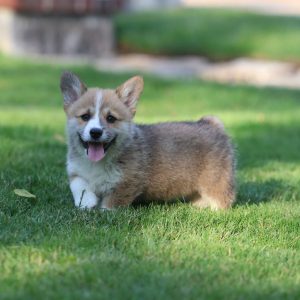
Corgi Puppy Energy: What to Expect the First Year
Bringing home a Corgi puppy is exciting and joyful. It can also bring surprises, especially with energy levels. These small dogs have big personalities, sharp minds, and a strong work ethic rooted in their herding heritage.
If you’re a first-time owner, knowing what to expect from your Corgi puppy helps you build healthy routines.
These routines support growth, prevent unwanted behaviors, and strengthen your bond from day one.
Let’s break down what that famous Corgi energy really looks like—and how to manage it confidently.

Why Corgis Have So Much Energy
Pembroke Welsh Corgis were originally bred as herding dogs. That means your Corgi puppy comes from generations of dogs selected for stamina, intelligence, and responsiveness. Even though they’re compact in size, they were designed to work all day.
This natural drive shows up in several ways:
- Bursts of zoomies around the house
- Quick learning (both good and mischievous!)
- A strong desire to stay engaged with their people
- Playfulness that lasts well beyond puppyhood
According to the American Kennel Club, Corgis are active, alert, and very smart dogs. They do best with regular mental and physical exercise.
Understanding this helps new owners see that high energy is not “bad behavior.” It is simply part of who a Corgi puppy is.
What Energy Looks Like in the First Year
8–12 Weeks: Curious and Busy
At this stage, your corgi puppy is exploring everything. Energy comes in short bursts followed by long naps. This is the perfect time to introduce gentle routines, short training sessions, and early socialization.
Because attention spans are short, keep activities brief and positive.
3–6 Months: The “On” Switch
Many owners notice a spike in energy around this age. Your Corgi puppy is gaining confidence, coordination, and curiosity.
You may see:
- Increased chewing
- Play nipping (a herding instinct)
- Testing boundaries
- Sudden zoomies
This is when consistent training becomes essential. The Humane Society recommends structured daily activity to prevent boredom-related behaviors.
Without enough stimulation, a Corgi puppy will create their own entertainment—which may not be what you had in mind.
6–12 Months: Adolescent Drive
Adolescence can feel like a second wave of energy. Your Corgi puppy may seem selective about listening, even if training was going well before.
This stage requires:
- Clear boundaries
- Consistent exercise
- Continued socialization
- Positive reinforcement training
The good news? This is also when their intelligence truly shines.
How Much Exercise Does a Corgi Puppy Need?
A healthy Corgi puppy benefits from both physical activity and mental challenges. However, exercise must be age-appropriate to protect growing joints.
General guidelines:
- Short walks (5 minutes per month of age, up to twice daily)
- Structured play sessions
- Training games
- Puzzle toys
Because Corgis are long-bodied, low-impact activity is best during growth phases. The Cornell University College of Veterinary Medicine explains that overexertion in young puppies can stress developing bones and joints.
Balanced activity is key for every Corgi puppy.
Mental Stimulation Is Just as Important
Physical exercise alone won’t fully satisfy a Corgi puppy. These dogs are thinkers. Mental stimulation reduces hyperactivity and builds focus.
Try:
- Short obedience sessions
- Hide-and-seek toys
- Food-dispensing toys
- Teaching new cues weekly
Training taps into your Corgi puppy’s natural desire to work with you. Five to ten minutes of focused learning can be more tiring than a long play session.
Common First-Time Owner Mistakes
Understanding energy helps prevent frustration. Here are common mistakes new owners make with a Corgi puppy:
1. Mistaking Stimulation for “Too Much Exercise”
Over-exercising a young puppy can cause joint stress. Structured activity is better than excessive running.
2. Inconsistency With Training
A smart corgi puppy quickly learns patterns. Mixed signals lead to confusion.
3. Ignoring Herding Instincts
Heel-nipping or circling behavior isn’t aggression—it’s instinct. Redirect with appropriate toys and training.
4. Skipping Socialization
Confident adult dogs start as well-socialized puppies. Positive exposure reduces future anxiety.
Creating a Balanced Daily Routine
A predictable routine helps regulate your corgi puppy’s energy. Dogs thrive on structure.
A simple daily rhythm might include:
- Morning potty + short walk
- Breakfast via puzzle feeder
- Midday play session
- Short afternoon training session
- Evening walk and calm wind-down
When energy is channeled properly, your Corgi puppy becomes focused, responsive, and content.
When Does Corgi Puppy Energy Calm Down?
Most Corgis begin to settle between 12–18 months, though they remain playful and alert throughout adulthood. A well-trained Corgi puppy grows into a devoted companion with manageable, healthy energy.
Remember: energy is a strength when guided properly.
Why Responsible Breeding Matters
Temperament plays a major role in how energy expresses itself. Ethical breeders prioritize stable, confident, and well-socialized puppies—not just appearance.
Early neurological stimulation, home sounds, and gentle handling help raise a calm Corgi puppy before they go home.
Choosing a breeder who invests in early development sets the foundation for success.
Final Thoughts: Energy Is Part of the Joy
Yes, your Corgi puppy will be active. Yes, there will be zoomies. That lively spirit is part of what makes this breed so lovable.
With structure, positive training, and daily engagement, your energetic pup becomes:
- A quick learner
- A loyal family companion
- A confident, adaptable adult dog
When first-time owners understand what to expect, they’re better prepared to enjoy every stage of puppyhood.
Ready to Bring Home a Corgi Puppy?
If you’re considering adding a Corgi puppy to your family, choosing a responsible breeder makes all the difference.
At GoldStar Corgis, we are committed to raising well-socialized, healthy puppies with strong foundations for lifelong companionship.
Visit GoldStar Corgis to learn more about available puppies, upcoming litters, and how to join our waiting list.
Your journey with a Corgi starts with the right beginning.