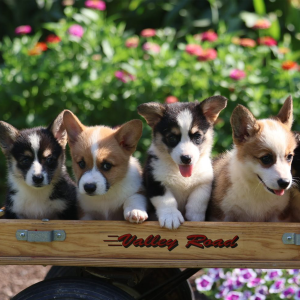
Corgi Puppies: Signs of Seasonal Allergies
Corgi Puppies: Signs of Seasonal Allergies
Learn the common signs of seasonal allergies in corgi puppies, when to see your veterinarian, and how to keep your puppy comfortable during allergy season.
Introduction
Spring, summer, and early fall bring more time outdoors, but they can also introduce allergens that affect your puppy’s comfort. While many owners expect occasional itching after a day outside, persistent scratching, licking, or irritated skin may indicate something more than normal puppy behavior. If you’re raising corgi puppies, understanding the signs of seasonal allergies can help you recognize problems early and make informed decisions about your puppy’s care.
Seasonal allergies are common in dogs and often develop as the immune system reacts to pollen, grasses, weeds, mold spores, and other environmental allergens. Because Corgis enjoy spending time outdoors exploring and exercising, they may come into contact with these allergens regularly. This guide will help you decide whether your puppy’s symptoms may be related to seasonal allergies, what management options are available, and when it’s time to schedule a veterinary visit.
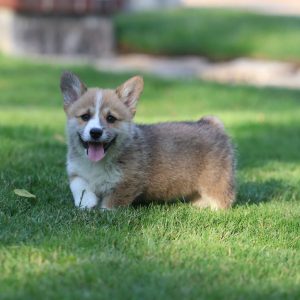
Quick Answer: What are the signs of seasonal allergies in corgi puppies?
Many corgi puppies with seasonal allergies develop itchy skin, excessive licking, chewing on their paws, recurring ear irritation, watery eyes, or frequent scratching. Symptoms often become worse after spending time outdoors and may improve when allergen exposure decreases. While mild allergies can sometimes be managed with environmental changes, persistent symptoms should always be evaluated by your veterinarian to rule out infections or other medical conditions.
Why Seasonal Allergies Affect Some Puppies More Than Others
Seasonal allergies occur when a dog’s immune system overreacts to substances that are normally harmless. Common triggers include tree pollen in the spring, grasses during summer, weeds in late summer and fall, and mold spores after periods of rain.
Not every puppy develops allergies. Genetics, environmental exposure, and individual immune responses all contribute to whether symptoms appear.
Compared to some short-coated breeds, Corgis have a dense double coat that can trap pollen and other environmental allergens close to the skin. While the coat offers protection from weather, it also means allergens may remain on the fur until your puppy is brushed or wiped down.
Many owners underestimate how quickly pollen can accumulate after just one walk through a grassy park or neighborhood trail. Puppies that spend more time outdoors during peak allergy seasons may show symptoms more frequently than dogs with limited exposure.
According to the American Kennel Club, environmental allergies are one of the most common causes of itchy skin in dogs and often become more noticeable during certain times of the year.
Common Signs to Watch For
The most recognizable symptom in corgi puppies is persistent itching, but allergies often appear in several different ways.
Common signs include:
- Frequent scratching
- Chewing or licking paws
- Red or irritated skin
- Recurrent ear infections
- Watery or irritated eyes
- Excessive face rubbing
- Hair thinning from repeated licking
- Skin odor caused by secondary infections
Unlike occasional scratching after playing outside, allergy-related itching tends to occur daily and often worsens over time if left untreated.
Many families mistakenly assume their puppy has fleas when the real issue is environmental allergies. Although flea prevention remains essential, allergies should also be considered if itching continues despite effective flea control.
Pay particular attention if symptoms appear around the same time each year or consistently worsen after outdoor activities.
Seasonal Allergies or Something Else?
One of the biggest challenges is determining whether your puppy has allergies or another skin condition.
Similar symptoms can result from:
- Fleas
- Food allergies
- Skin infections
- Dry skin
- Mites
- Contact irritation from lawn chemicals
Many families underestimate how similar these conditions can appear.
For example, a puppy chewing on their paws could be responding to grass pollen, but it could also indicate irritation from road salt, a foreign object, or an underlying infection.
Your veterinarian may recommend:
- A complete skin examination
- Ear evaluation
- Flea assessment
- Skin cytology
- Allergy testing in certain cases
Avoid assuming every itchy puppy has seasonal allergies. A proper diagnosis allows the most effective treatment plan.
Managing Seasonal Allergies at Home
Although allergies cannot always be prevented, many owners can reduce symptoms by limiting allergen exposure.
Helpful strategies include:
Wipe Down After Walks
Use a damp towel or pet-safe grooming wipe to clean your puppy’s paws, legs, and belly after spending time outdoors.
Brush Regularly
Because Corgis have a thick double coat, brushing two to three times each week helps remove pollen, dirt, and loose hair before allergens accumulate.
Bathe as Recommended
Occasional baths using veterinarian-approved shampoos may help remove allergens from the coat without excessively drying the skin.
Keep Indoor Spaces Clean
Vacuum regularly, wash bedding frequently, and replace HVAC filters according to manufacturer recommendations.
Compared to many single-coated breeds, corgi puppies may benefit from slightly more frequent brushing during heavy pollen seasons because allergens can remain trapped within the undercoat.
When to Contact Your Veterinarian
Not every itch requires medical treatment, but certain symptoms should prompt an appointment.
Contact your veterinarian if your puppy develops:
- Open sores
- Persistent ear infections
- Hair loss
- Constant scratching that interrupts sleep
- Bleeding skin
- Swelling around the face or eyes
- Symptoms lasting more than several days
Many owners wait too long, hoping allergies will simply disappear. Unfortunately, untreated itching often leads to skin infections that require additional treatment.
Modern veterinary care offers several management options depending on your dog’s age and symptoms, including medicated shampoos, prescription medications, and allergy management plans.
Early treatment often prevents more serious skin problems later.
A Responsible Breeder’s Perspective
Families often ask us whether allergies are something they should expect with every puppy.
In our experience raising Corgis, most puppies enjoy active outdoor lives without significant allergy concerns. However, every dog is an individual, and paying attention to early skin changes helps owners address problems before they become more uncomfortable.
At Gold Star Corgis, we encourage new owners to establish a relationship with their veterinarian early and maintain consistent grooming routines throughout the year. Small changes in skin or coat condition are often easiest to manage when recognized promptly.
If you’re exploring our Available Puppies, learning about routine coat care and seasonal health maintenance is an important part of preparing for life with a Corgi.
Conclusion
Outdoor adventures are an important part of raising healthy corgi puppies, but allergy season can sometimes make those adventures less comfortable. Knowing the early signs of seasonal allergies—including itching, paw licking, ear irritation, and skin redness—helps you respond before symptoms become more severe.
Many allergy symptoms can be managed successfully through good grooming, reducing allergen exposure, and working closely with your veterinarian. By recognizing changes early and maintaining regular preventive care, you can help your puppy stay comfortable and continue enjoying everything each season has to offer.
Frequently Asked Questions
Can corgi puppies develop seasonal allergies?
Yes. Like many breeds, corgi puppies can develop environmental allergies to pollen, grasses, mold, and other seasonal allergens. Some dogs show symptoms early in life, while others develop allergies as they mature.
What time of year are seasonal allergies most common?
Spring, summer, and early fall are typically the busiest allergy seasons because pollen, grasses, and weeds are more active during these months.
Why does my puppy keep licking their paws?
Paw licking is one of the most common signs of environmental allergies, but it can also result from injuries, infections, or irritants. Persistent licking should be evaluated by your veterinarian.
How often should I brush my Corgi during allergy season?
Most Corgis benefit from brushing two to three times each week. During heavy pollen seasons, more frequent brushing may help remove allergens trapped in the coat.
Can seasonal allergies be cured?
Seasonal allergies usually cannot be permanently cured, but they can often be managed successfully through environmental changes, routine grooming, and veterinary care.
When should I schedule a veterinary appointment?
If your puppy develops ongoing itching, recurring ear infections, hair loss, open sores, or symptoms that interfere with daily activities, it’s time to consult your veterinarian.
Helpful Resources
- American Kennel Club – Skin Allergies in Dogs
- VCA Animal Hospitals – Allergic Dermatitis in Dogs
- American College of Veterinary Dermatology